Newman Brothers Coffin Works
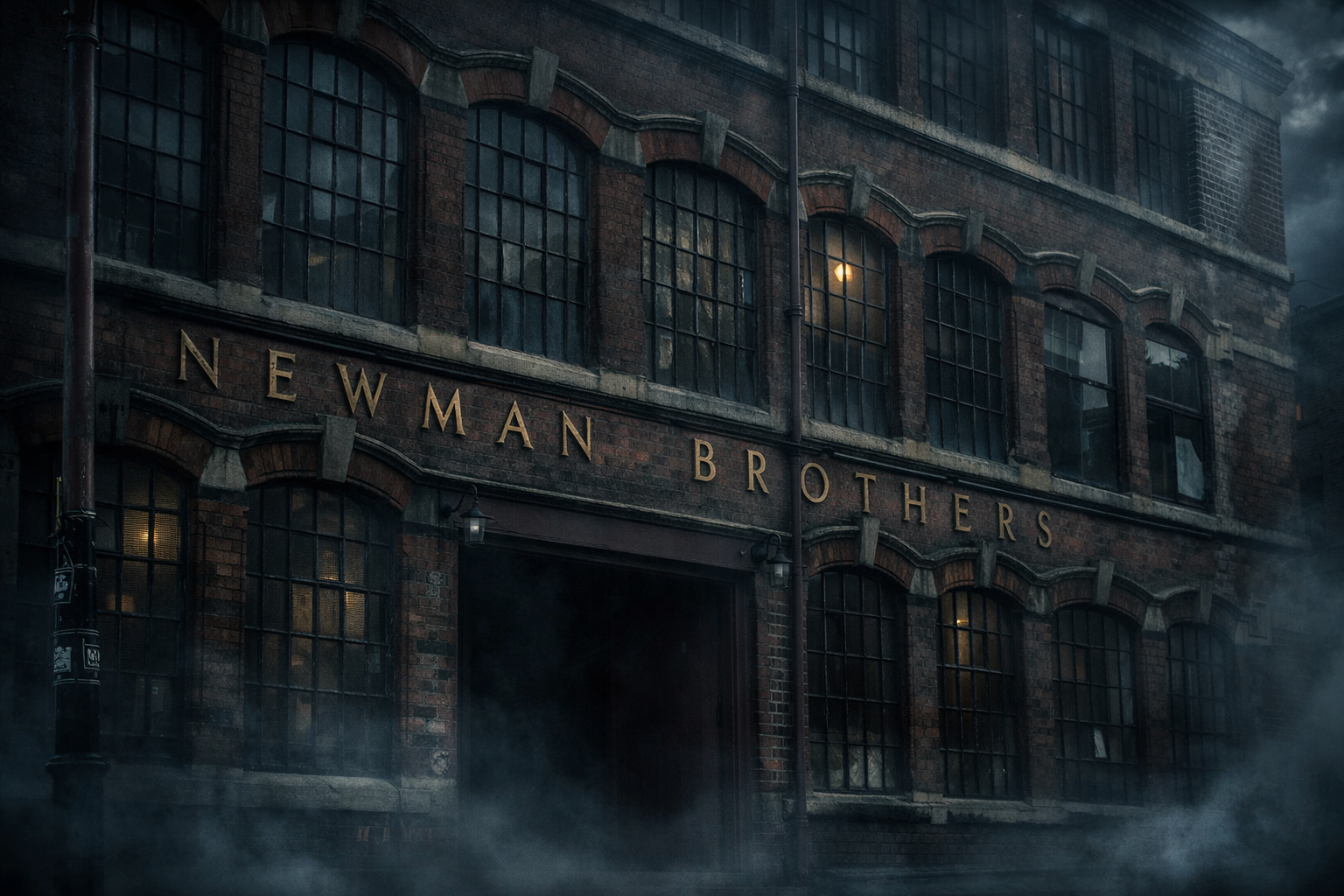
If you’ve ever stepped inside Newman Brothers Coffin Works, you’ll know it feels different from most museums. It’s not polished and modern. It doesn’t feel staged. Instead, it feels as though the workers have just stepped out for a break and might return at any moment.
To understand why the building feels so atmospheric, you first have to understand its story.
Newman Brothers was founded in the late 19th century, during a time when Birmingham was known as the “City of a Thousand Trades.” The Jewellery Quarter was filled with small workshops where skilled workers made everything from jewellery and buttons to precision metal parts. It was an area built on craftsmanship and pride in detail.
In 1894, the company moved into its purpose-built factory on Fleet Street. Rather than making coffins themselves, Newman Brothers specialised in coffin furniture. This included brass handles, decorative ornaments, breastplates and engraved nameplates that were attached to coffins before burial. In Victorian and Edwardian Britain, funerals were formal occasions and detail mattered. The quality of coffin fittings reflected respect for the person who had died.
Inside the factory, work was organised across several floors. Heavy presses stamped out metal shapes. Skilled engravers carefully etched names and dates onto plates. Workers polished and assembled fittings before packaging them for funeral directors across the country. Much of the machinery was belt-driven and traditional, and even as newer technology became available, the factory retained older working methods well into the twentieth century.
The business survived major national events, including both World Wars. Like many Birmingham manufacturers, it adapted during wartime and continued trading afterward. Over the decades, funeral traditions changed and became simpler, but Newman Brothers maintained a reputation for quality. The company supplied fittings for high-profile funerals, including that of Sir Winston Churchill in 1965, reinforcing its standing within the industry.
By the late twentieth century, however, traditional manufacturing in Birmingham was in decline. Cheaper imports and changes within the funeral trade made it increasingly difficult for specialist factories to compete. In 1998, after more than a century on Fleet Street, the factory closed.
What makes the Coffin Works so unusual today is what happened next.
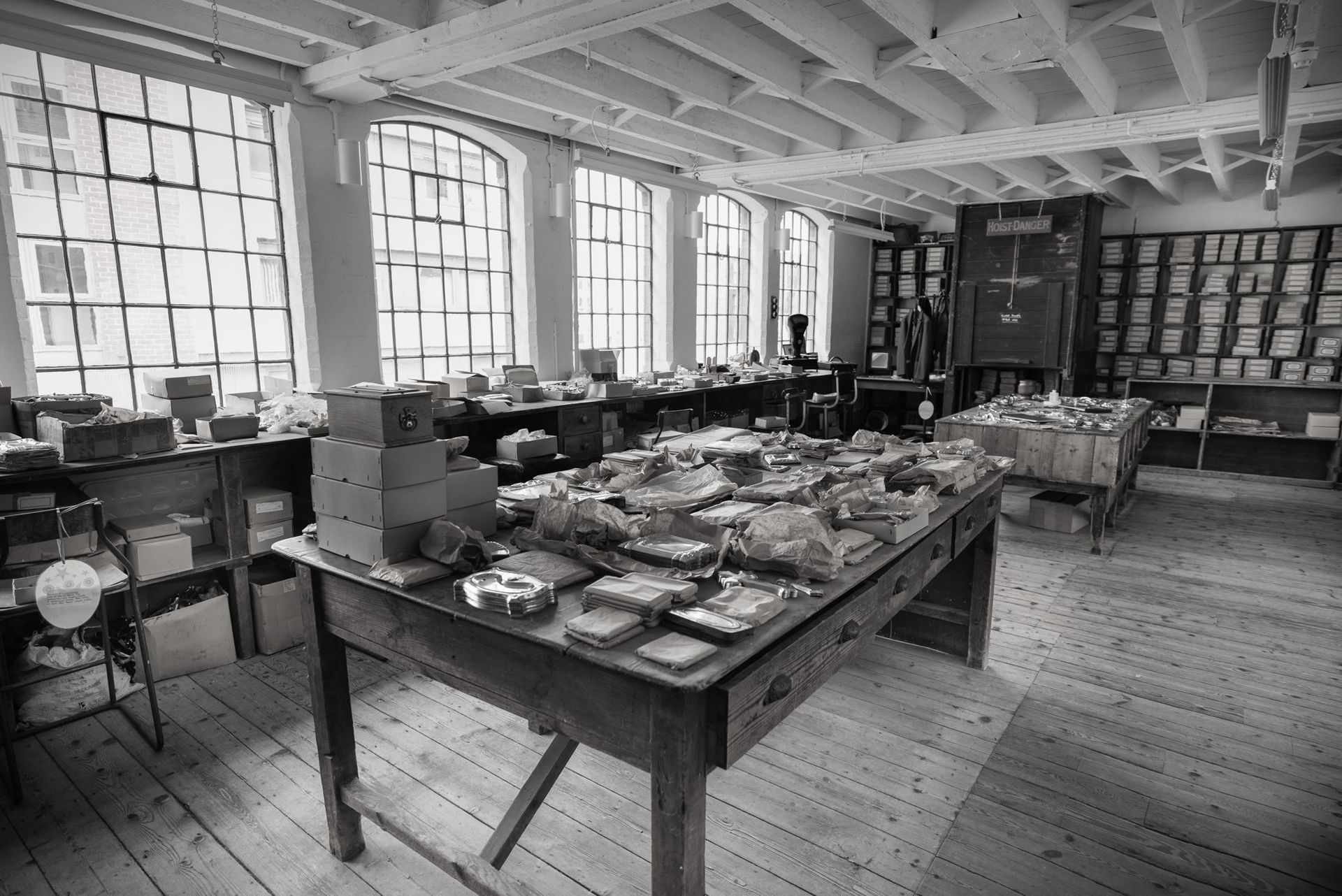
Unlike many industrial buildings that are cleared out quickly, much of the factory was left almost exactly as it was. Machinery remained in place. Order books stayed in drawers. Stock sat on shelves. For years, the building stood quiet and largely untouched.
Eventually, it was saved and restored by the Birmingham Conservation Trust and reopened as a museum in 2014. Rather than transforming it into a modern display space, the decision was made to preserve its authentic working environment. When you walk through today, you see original desks, tools, presses and paperwork. It feels real because it is real.
And this is where the stories begin.
Although there is no documented history of violence or tragedy inside the building, some visitors describe unusual experiences. A sudden chill in certain rooms. The sense of being watched. The sound of footsteps echoing through empty spaces.
Old buildings naturally creak and shift. Wood expands and contracts. Pipes make unexpected noises. In a quiet, dimly lit factory filled with objects linked to death and mourning, it’s easy for the mind to become more alert to every small sound.
But there is also something deeper at play.
Every single nameplate made here represented a real person. Over more than a hundred years, thousands of funeral fittings passed through these rooms. The factory played a part in countless final goodbyes. Even though no coffins or bodies were stored there, the connection to grief and remembrance is strong.
That emotional weight can make the space feel heavy. Reflective. Almost sacred in its stillness.
Whether or not you believe in ghosts, the atmosphere inside Newman Brothers Coffin Works is undeniable. It is not the kind of place that frightens you in a dramatic way. Instead, it encourages you to slow down and think about the lives connected to it.
Perhaps what some people describe as haunting is simply history that feels close enough to touch.
And sometimes, that is powerful enough on its own.
BLOGS