The Ghost of Raynham Hall
Some ghost stories fade away with time. Others refuse to disappear. The story of the Brown Lady of Raynham Hall is one that has lingered for nearly a century, not because of dramatic storytelling, but because of a single photograph.
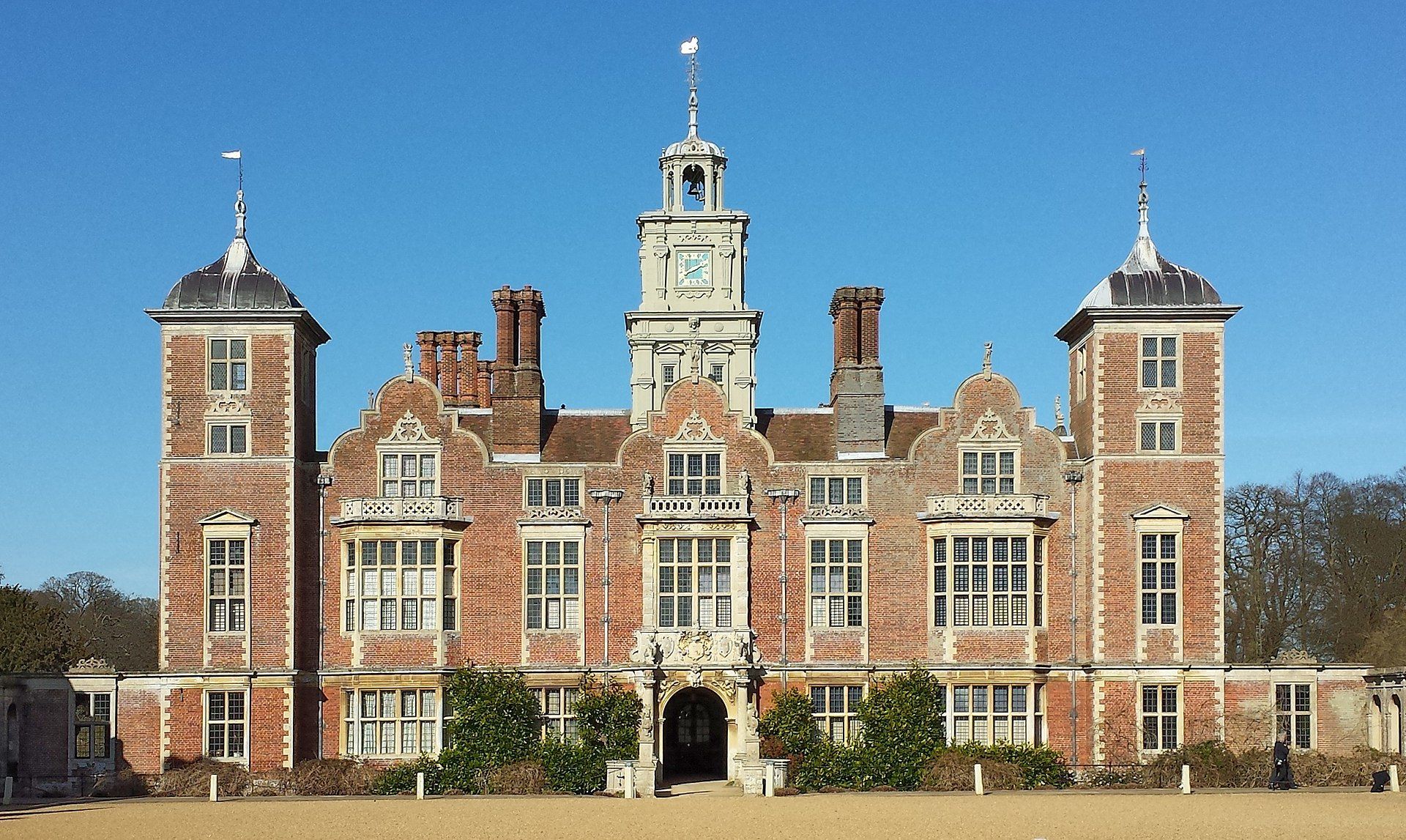
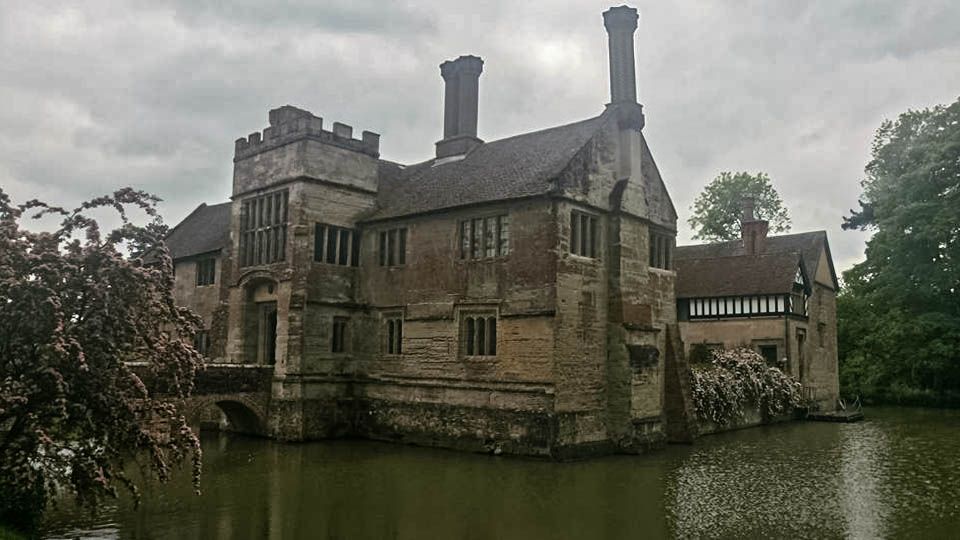
Raynham Hall itself is a striking country house in Norfolk. Built in the early seventeenth century, it has been home to the Townshend family for generations. It is not a public attraction in the way some stately homes are, which perhaps adds to the intrigue. There is something about a private estate with centuries of history that naturally fuels curiosity.
The figure most closely linked to the haunting is Lady Dorothy Walpole. She was the sister of Sir Robert Walpole, widely regarded as Britain’s first Prime Minister. In 1713, she married Charles Townshend, later the 2nd Viscount Townshend. By most historical accounts, it was not a happy marriage. Townshend was known for his temper and jealousy, and rumours circulated at the time that Lady Dorothy had been unfaithful.
According to the traditional version of the story, she was confined to Raynham Hall by her husband and kept away from society. Some later retellings claim she was locked in a room for years. However, when you look at the historical records, the more dramatic elements become less certain. Parish documents confirm that Lady Dorothy died in 1726, and while the marriage may well have been strained, there is no solid evidence proving she was imprisoned in the way the legend suggests. As so often happens, the story appears to have grown darker over time.
Sightings of a female figure in brown clothing at Raynham Hall were reported long before any photograph was taken. During the nineteenth century, members of the Townshend family and guests claimed to have seen a woman drifting along corridors or descending the main staircase. Descriptions were fairly consistent. She was said to be dressed in brown silk, her face pale, her eyes hollow. These accounts were recorded in letters and memoirs, but they remain personal testimonies rather than verifiable evidence.
Everything changed in 1936.
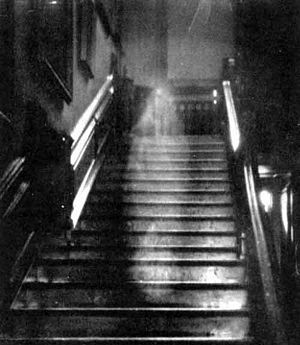
That autumn, photographers Captain Hubert C. Provand and Indre Shira visited Raynham Hall to take interior photographs for Country Life magazine. While preparing a shot of the main staircase, Shira reportedly noticed what he thought was a figure moving down towards them. He called out to Provand, who quickly removed the lens cap and took the photograph.
When the image was developed, it appeared to show a mist-like figure on the staircase. The shape resembled a woman in flowing clothing, her upper body more defined than her lower half. The photograph was published in Country Life in December 1936 and quickly gained national attention.
The image became known as the Brown Lady photograph and is still regularly described as one of the most famous ghost photographs ever taken. Both photographers maintained that it was genuine and that no trickery was involved. They stated that no one else was present on the staircase at the time and that the photographic plate had not been double exposed.
Of course, sceptics have offered possible explanations over the years. Some suggest it could have been a double exposure, even if unintentional. Others argue that the long exposure times common in 1930s photography could have created a blurred effect if someone briefly stepped onto the staircase. There have also been suggestions of light reflections or developing errors. None of these explanations has ever been proven beyond doubt, but neither has the image been conclusively verified as paranormal.
What makes this case so enduring is the combination of real history and unresolved imagery. Lady Dorothy was a real person. Raynham Hall is a real place. The photograph was genuinely taken and published. The mystery lies in what exactly the camera captured.
It is easy to see why the story has survived. The image feels unsettling but not theatrical. There is no dramatic pose or exaggerated effect. Just a faint shape on a staircase in an otherwise ordinary country house. That subtlety makes it harder to dismiss outright.
Nearly ninety years later, the photograph still appears in books, documentaries and online discussions. Some people see it as compelling evidence of something unexplained. Others view it as an interesting example of early twentieth-century photography and the public’s fascination with ghosts.
What cannot be denied is the cultural impact of the Brown Lady. Before that photograph, ghost stories largely depended on word of mouth. With this case, there was something visual to examine. People could look at the image themselves and decide what they believed.
Raynham Hall remains privately owned, and the staircase where the photograph was taken is not open for casual viewing. That sense of distance keeps the story slightly out of reach, which perhaps adds to its power.
Whether you believe the Brown Lady is the restless spirit of Lady Dorothy or simply a quirk of old photography, the case stands as one of Britain’s most talked about hauntings. It sits somewhere between documented history and enduring mystery, and perhaps that is exactly why it refuses to fade away.


BLOGS